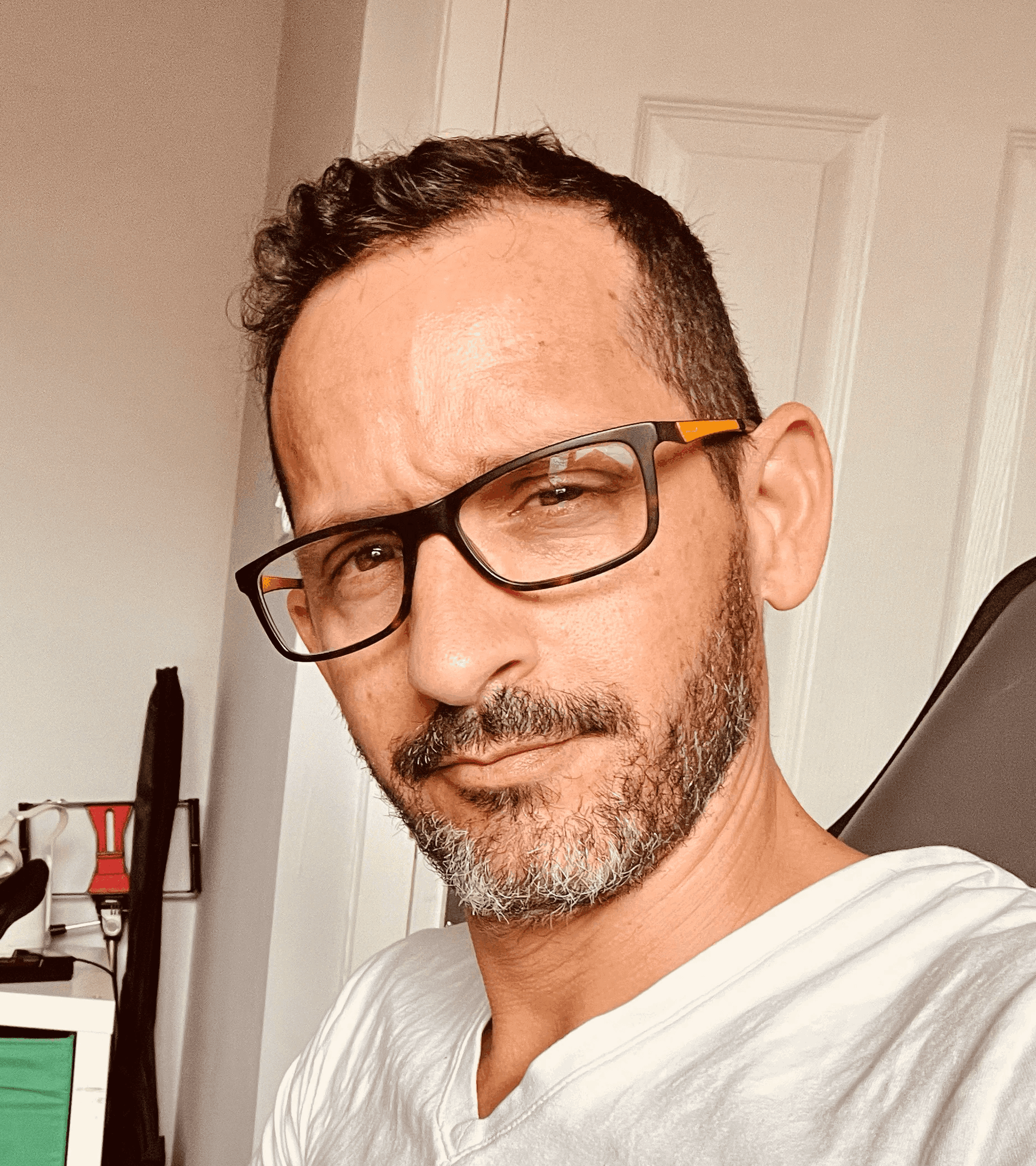
Founded in 2010, the O7 Drum Project began with no money, no instruments, and no place to rehearse.
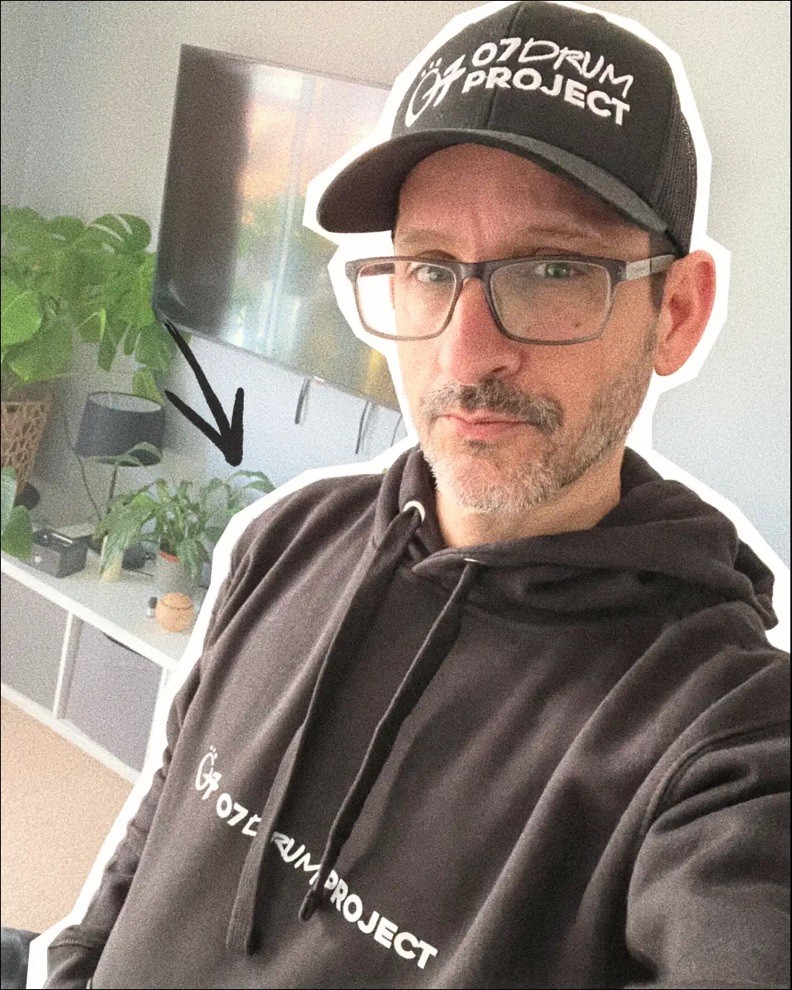
"My journey with drums began in Portugal in 1997, with a project called Toca Rufar. I joined almost by accident, without knowing that it would change the tempo of my life entirely. Everything accelerated - stronger, louder, more focused. I learned to play. I became part of the collective. What started as curiosity quickly turned into passion, and then into a way of life.
A few years in, my path became clear. I began conducting the Toca Rufar Orchestra. I composed, taught, and choreographed. In front of hundreds of players, I felt fully alive - aligned with a purpose I had not known before. Alongside the project’s founder and director, Rui Junior, my mentor and a father figure, we helped reignite and empower Portugal’s drum tradition, sharing a vision for what it could become.
After thirteen years, that vision evolved. So did I. And naturally, our paths diverged."
Filipe Henda
Founder & Artistic Director
The O7 Drum Project was born in 2010, not long after Filipe Henda left Toca Rufar. At the time, he had no job, no money, no instruments, and no place to rehearse, yet somehow, O7 still found its way into existence.
The journey was shaped by ups and downs, resilience, and moments of clarity. It was carried forward by bright ideas, by friends, and by a small group of passionate people who believed in the project when belief was all there was.
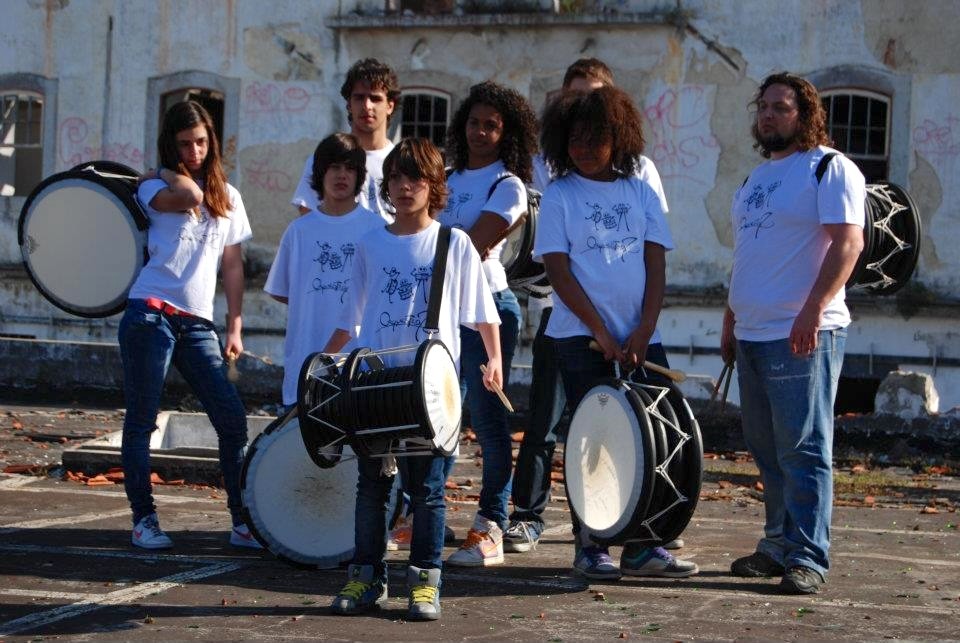
Toca Rufar - Late 90's
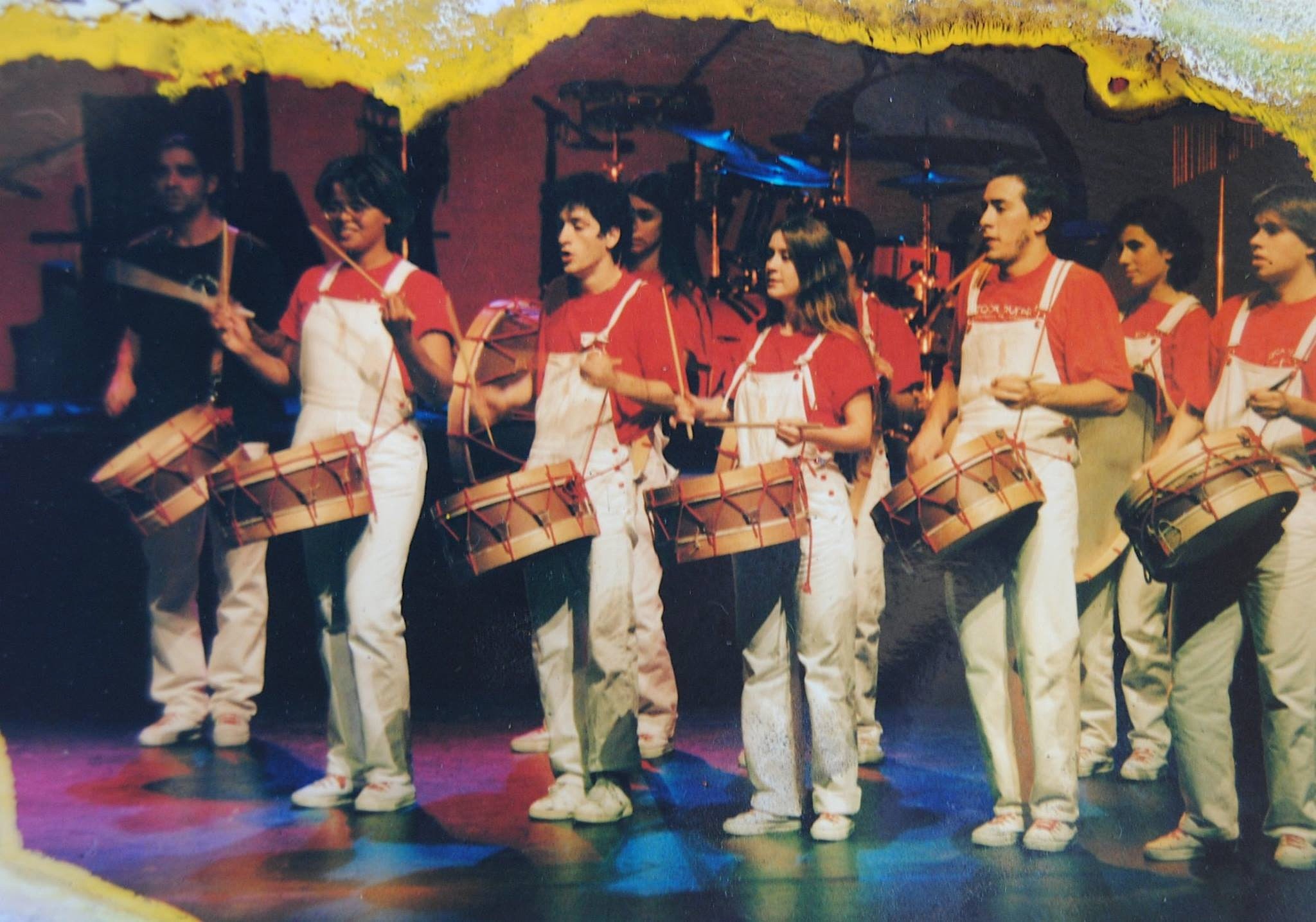
Toca Rufar - Early 00's
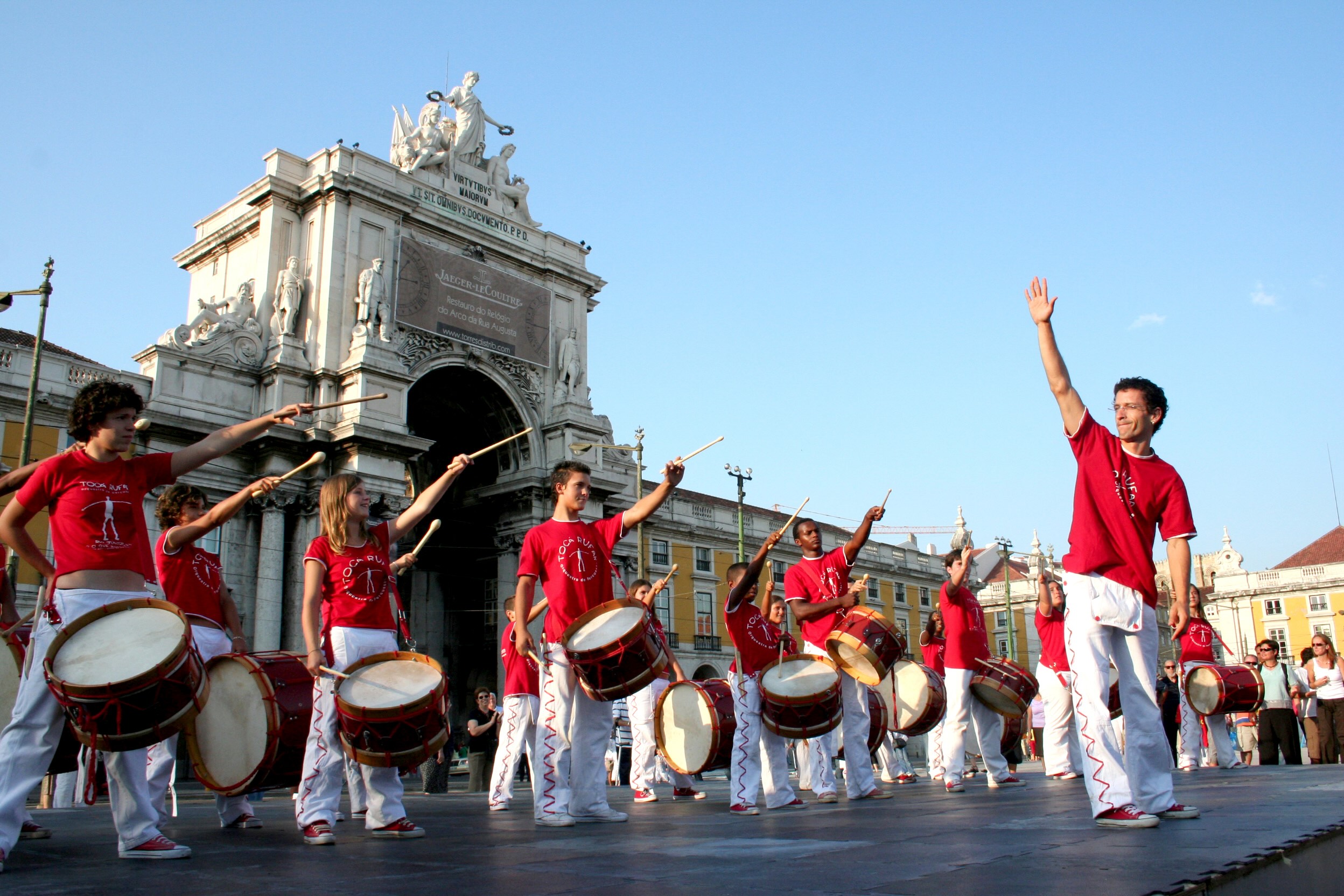
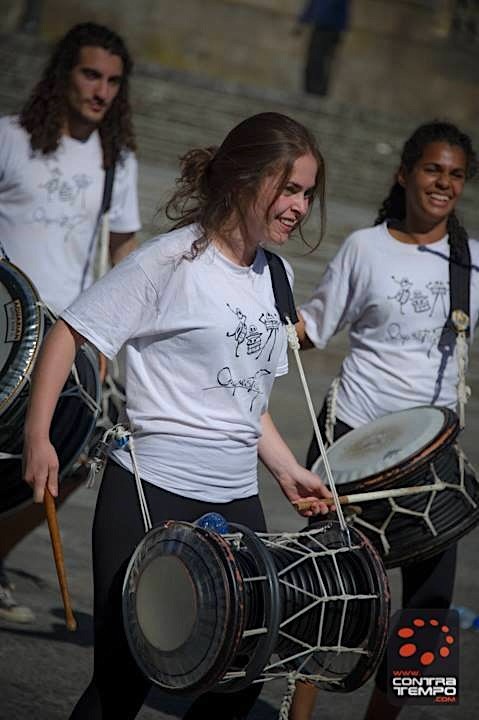
The O7 Drum Project began when Filipe Henda brought together a group of students who wanted to continue learning with him after his departure from Toca Rufar. Once he was able to build the first drums, rehearsals began. At the time, the project was called Orquestra 7.
Rehearsals took place in a martial arts gym in Almada owned by Jaime Neves, whose support was fundamental in making the start of O7 possible. Everything was built with what was available at the time, shaped by collaboration, experimentation, and a shared commitment to growing together, step by step.
As time passed, O7 evolved into a small, elite group of players. Although the project never became large, its influence is still felt today among Portuguese percussion groups, not only in rhythmic approaches, but also in movement and choreography.
When Filipe Henda moved to the UK, he tried to keep the project alive in Portugal, but distance made it challenging. Eventually, the group dissolved. Many of his former students went on to join other projects, spreading their skills and raising the level wherever they performed.
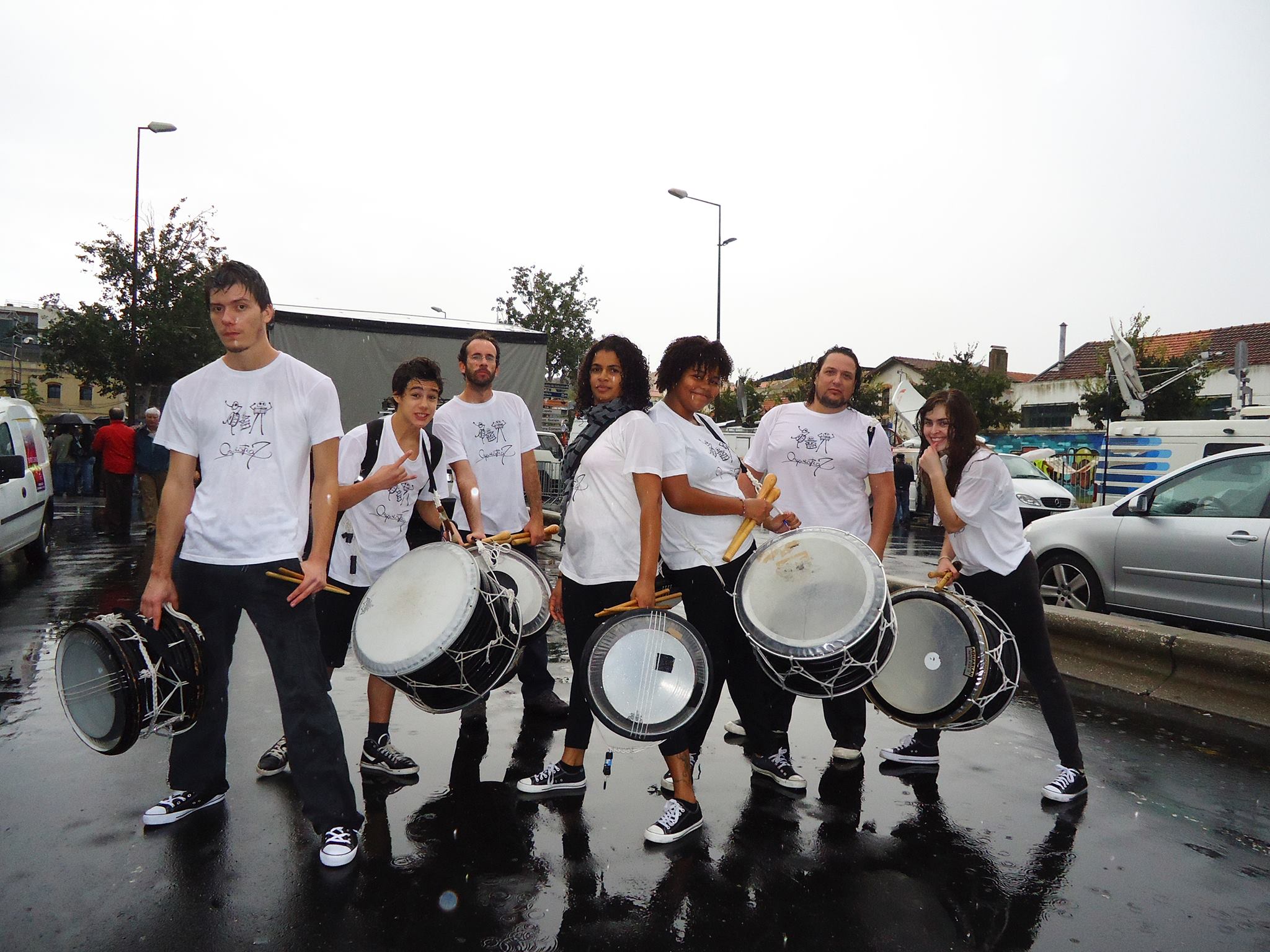
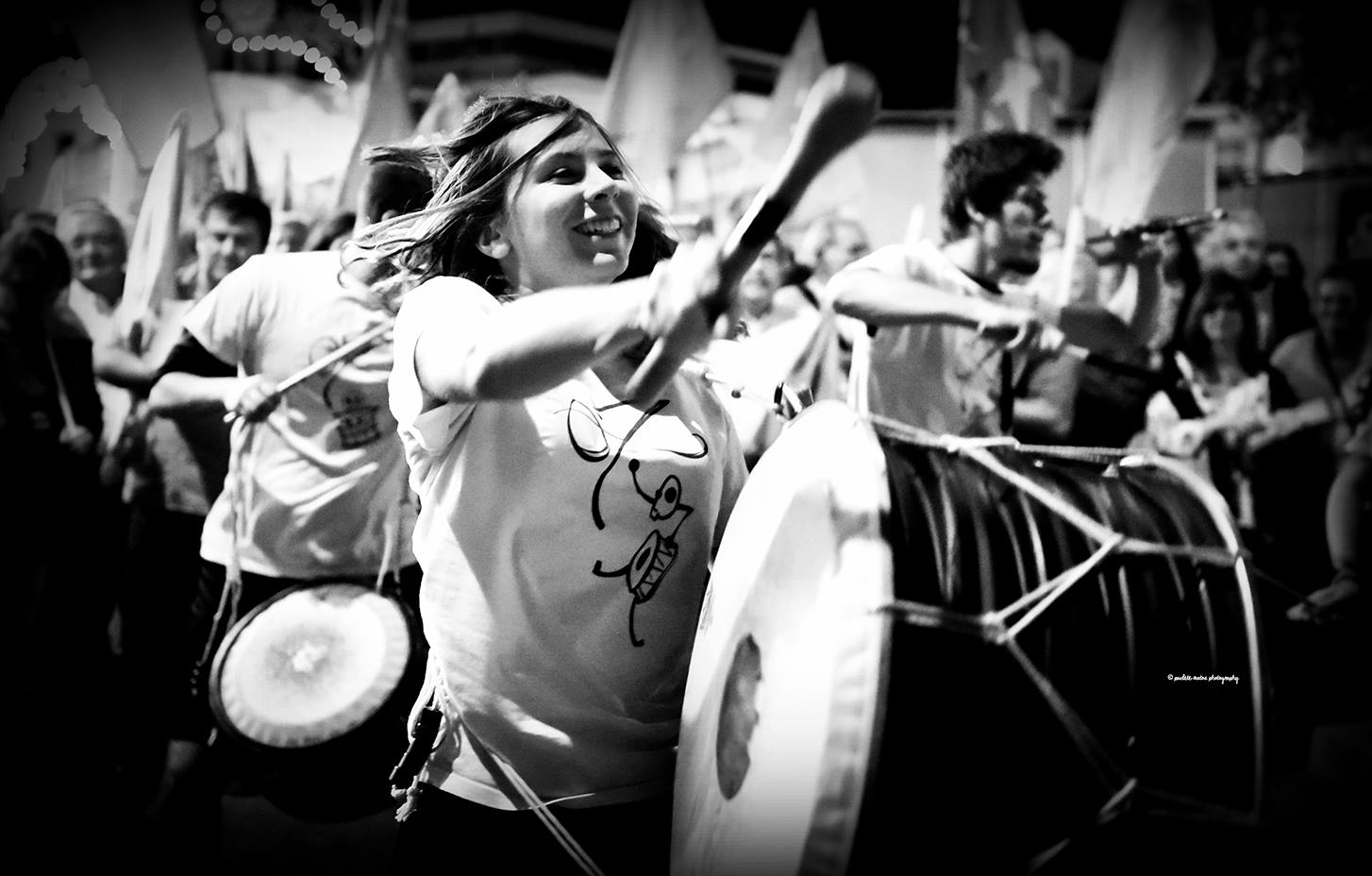
Orquestra 7 - Circa 2014
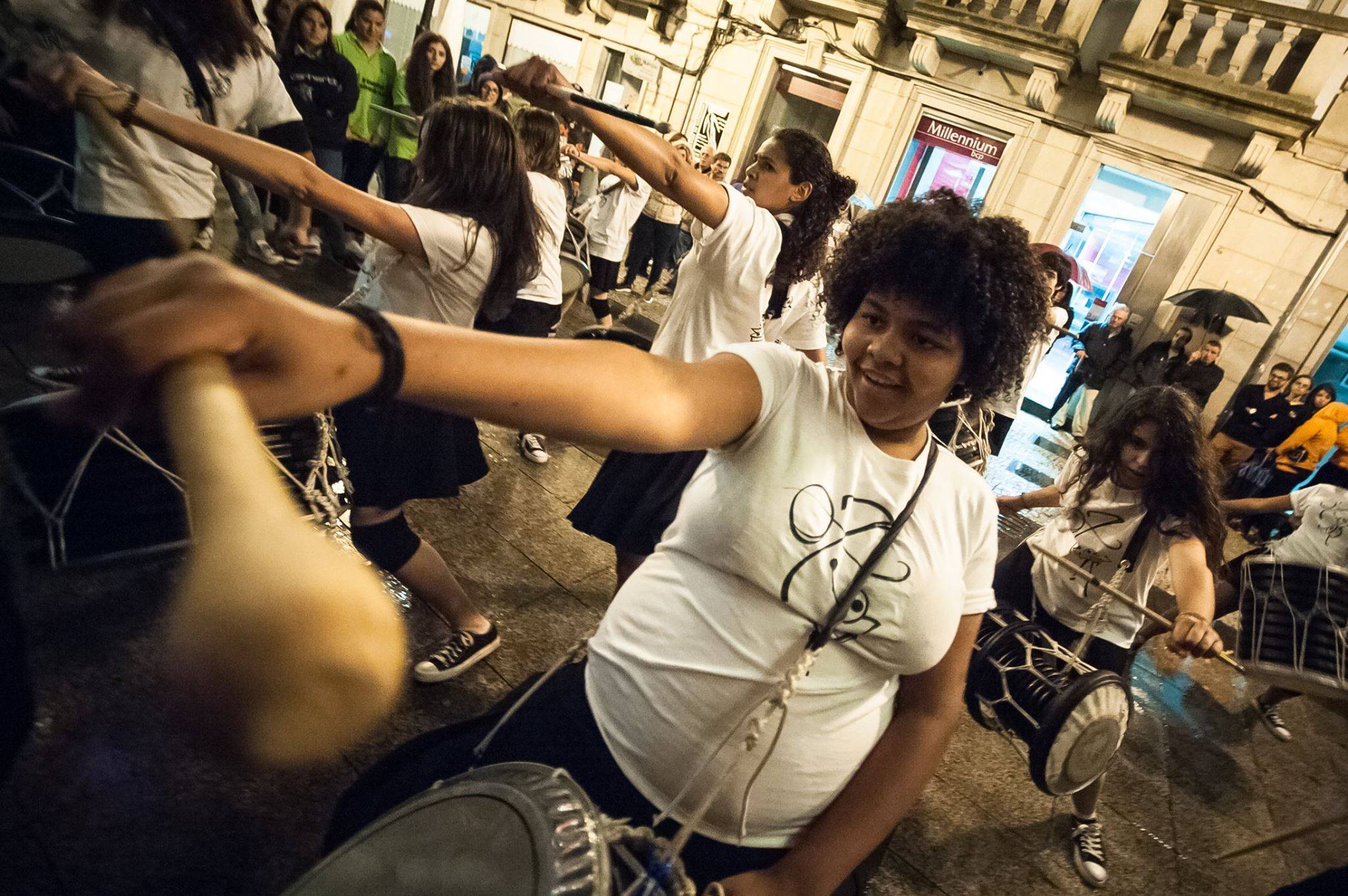
Orquestra 7 - Circa 2014
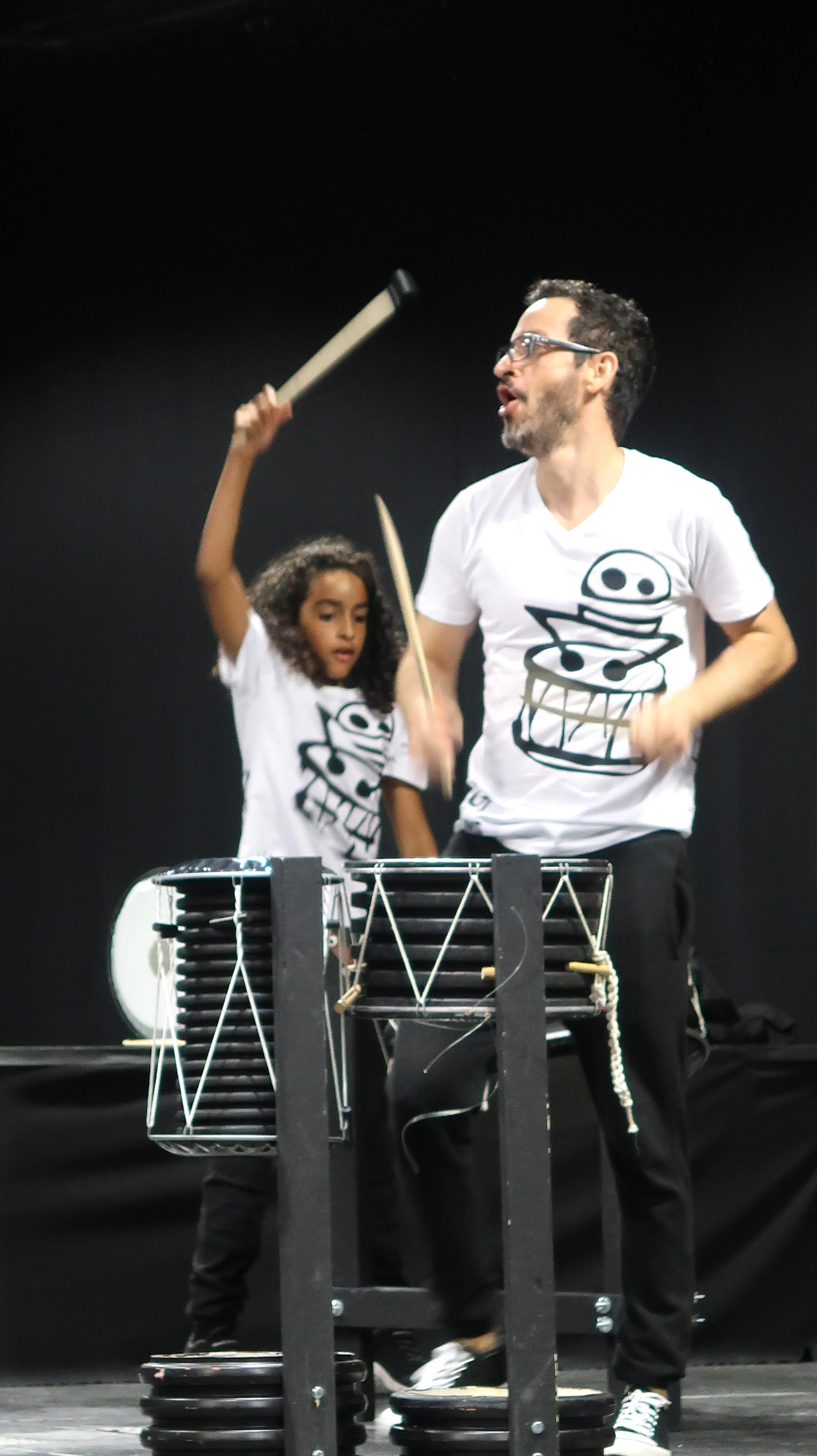
In Luton, the journey began again with support from the University of Bedfordshire. Under the name Loud & Proud, a new group of passionate and dedicated people came together. With them, the project evolved once again and officially became the O7 Drum Project, a continuing story of collaboration, resilience, and shared rhythm.
O7 Drum Project - Circa 2019
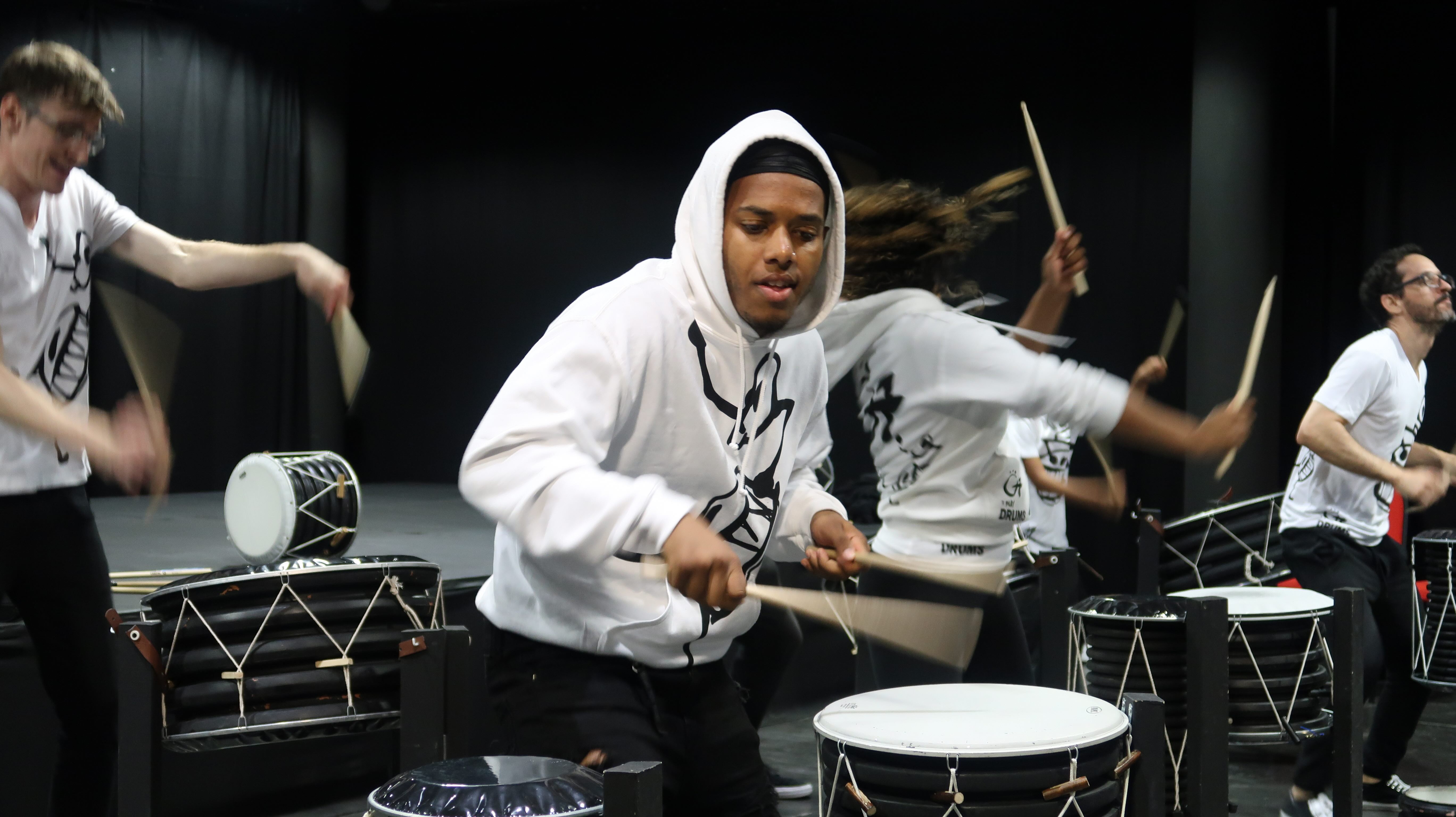
O7 Drum Project - Circa 2019
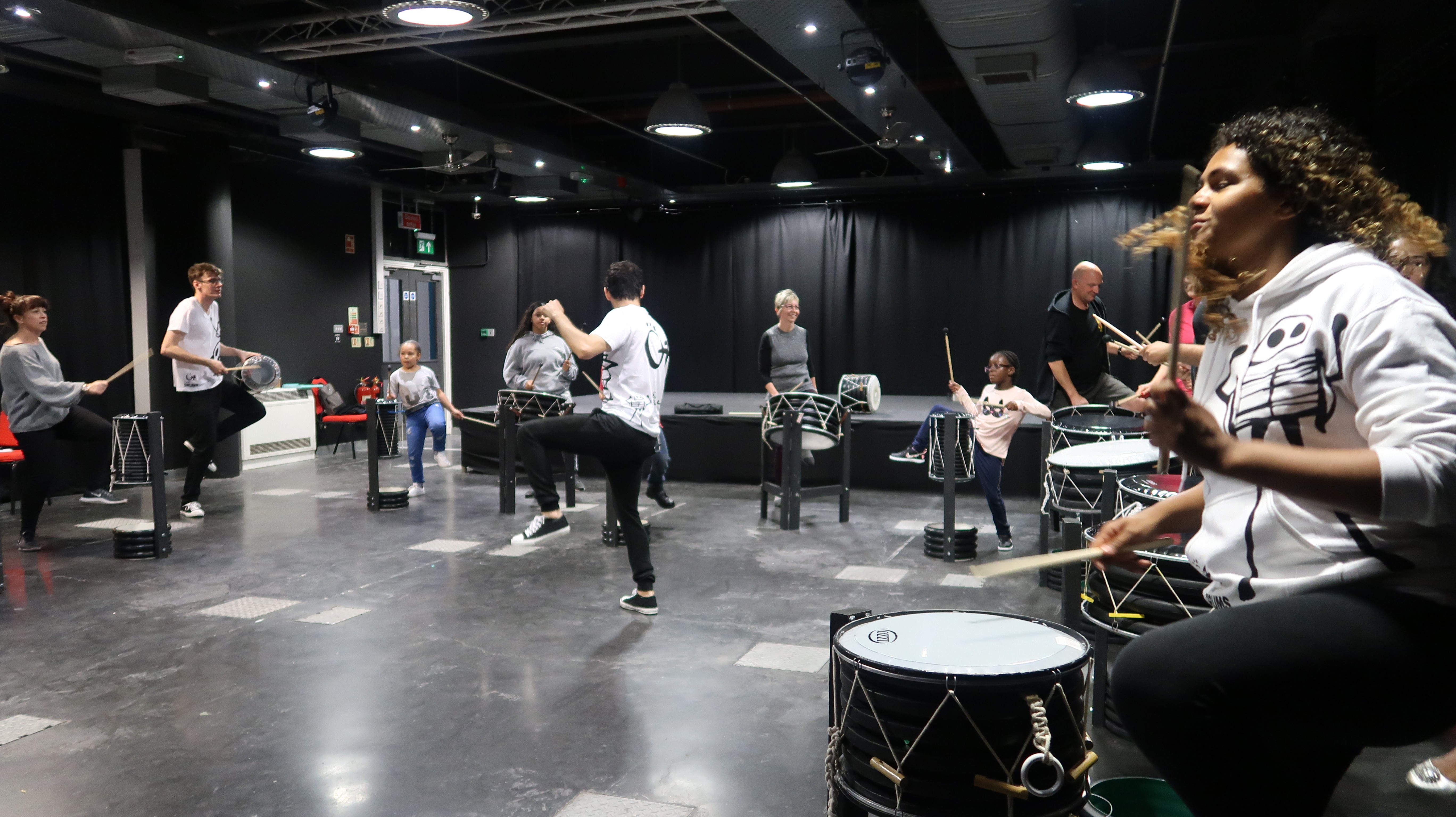
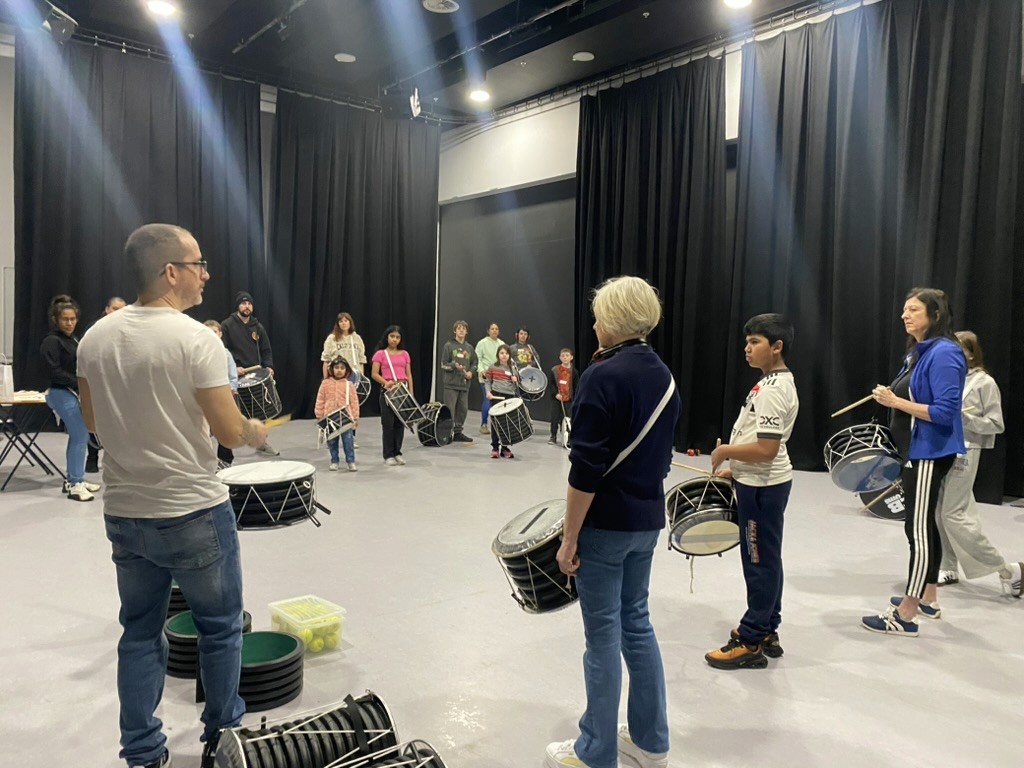
Now based in Bedford, the O7 Drum Project stands at the threshold of a new era. With ongoing classes every Saturday, the focus is on building a new generation of players and creating powerful new performances.
The O7 Drum Project was reborn thanks to the joint leadership of Filipe Henda as Artistic Director and Richard Murray as Operations Director. Their collaboration, together with the support of Sheila Isnard, a pillar of the project since the very beginning, has helped shape this new chapter.
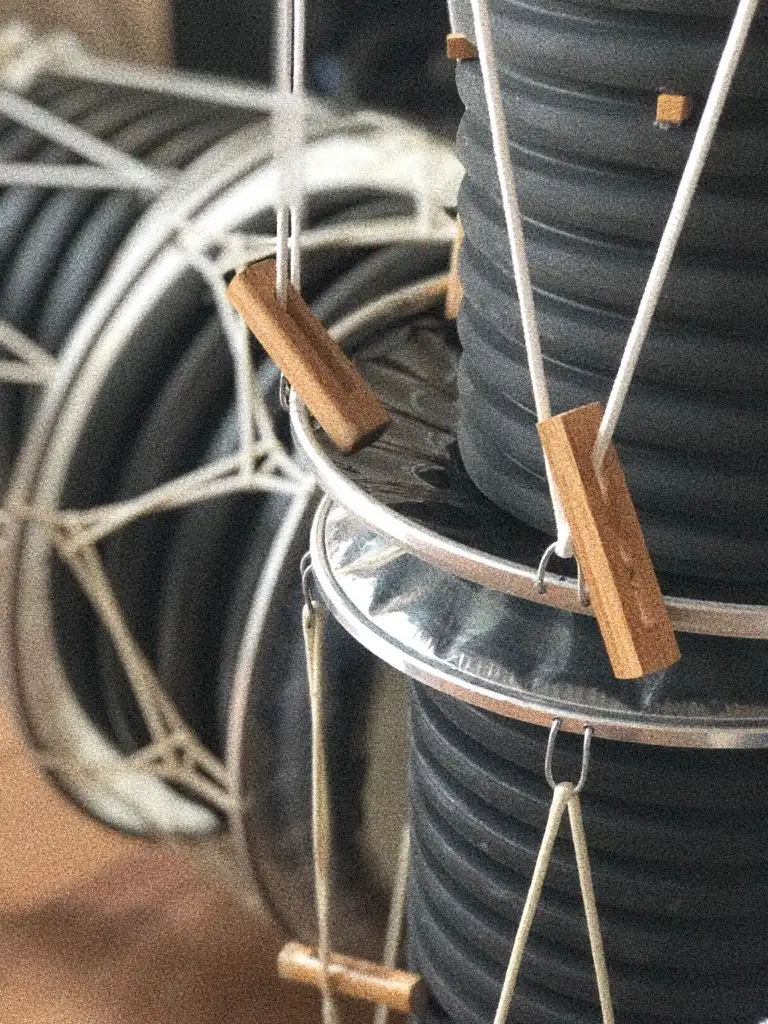
Each pipe carries its own history: scars, dents, scratches earned long before it became a O7 drum.
That history doesn't get sanded away. It gets built into the drum. The result is an instrument that looks like nothing else, because no two ever will. Like a fingerprint, each O7 drum is one of one.

Why this drums?

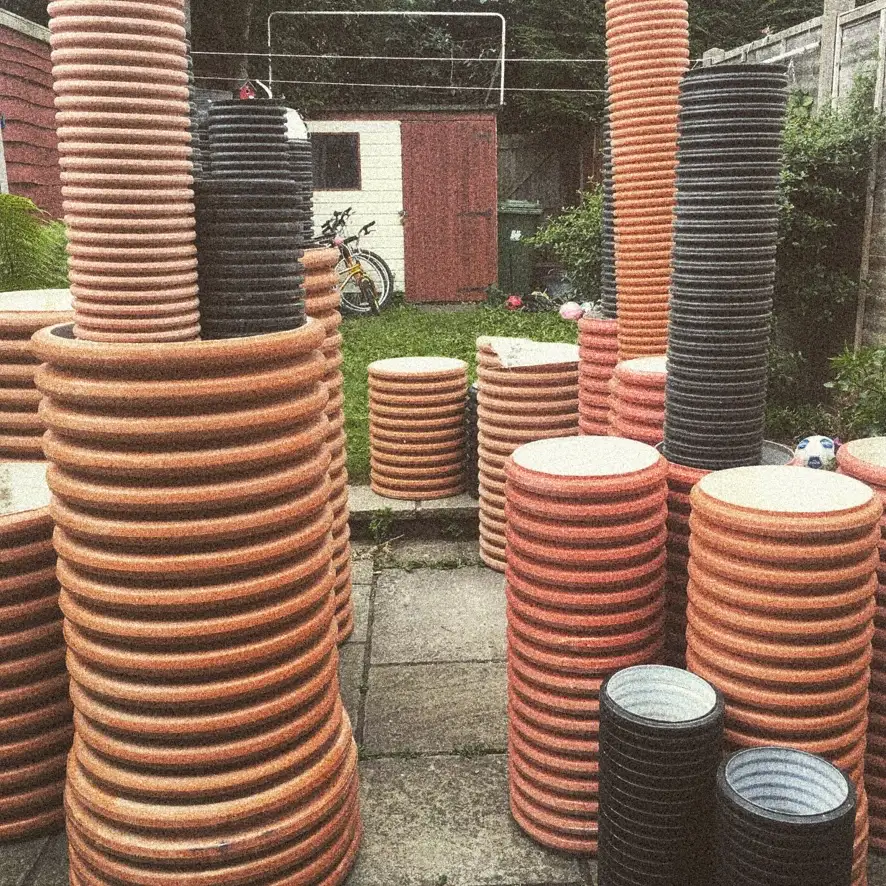

Drainage pipes
Every O7 Drum begins its life as a drainage pipe. Sourcing them is rarely straightforward. It involves scouting construction sites for discarded cut-offs, tracking down overlooked surplus, or reaching out directly to suppliers willing to part with remnants.
With access to a supply of drainage pipes, donated drumheads from fellow drummers, and rope that was affordable, the first builds began. The early drums followed traditional African rope-tension techniques. But they came with limitations. Each drum required more material than was sustainable: not just two drumheads, but additional rims to create proper tension, either custom-made in metal or salvaged from damaged heads. To scale the project and keep it accessible, a new approach was needed.
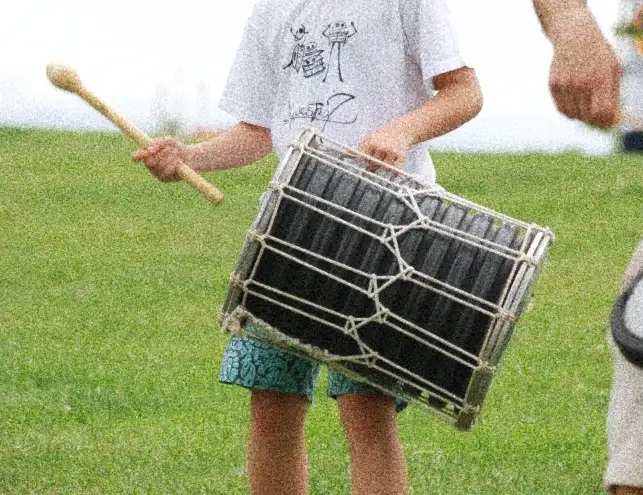
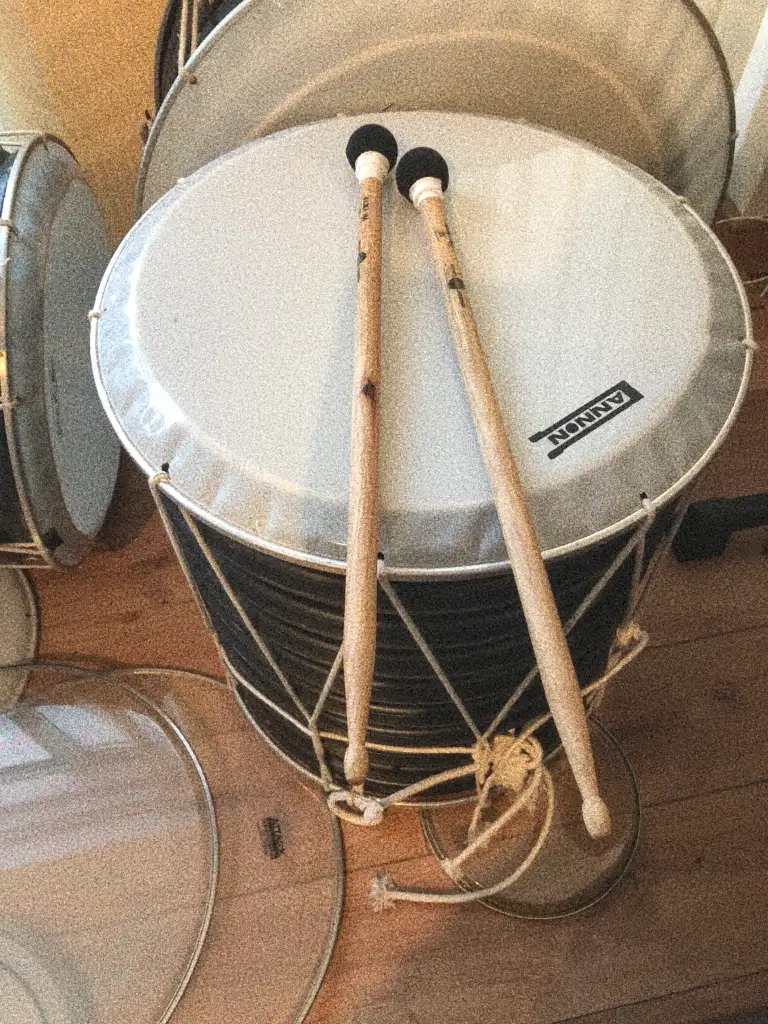

Getting closer
Over time, a more efficient approach emerged. Inspired by Japanese taiko drums, the design shifted toward using less material without sacrificing tension or sound. Piercing the drumheads themselves felt counterintuitive at first, but the results proved otherwise - it worked. While this version was not yet the final design, it marked a crucial step forward, bringing the project closer to what O7 would become.
After years of experimentation, trial, error, and constant refinement, the design finally settled into place. A balance of traditional drum-making techniques and carefully developed new ideas brought everything together. It is a design that feels resolved, yet always open to evolution.
Making the drums
This short video showcases how the O7 Drum is made. It features one of the earliest designs, created when using mostly traditional African drumhead tensioning techniques.